


For years, Washington, D.C., has paid for Medicaid — the state-federal health insurance program for low-income people — out of its general budget. But next year, the city is shifting part of that recurring multimillion-dollar cost to a new funding
That’s raising red flags for addiction recovery advocates, people directly affected by the crisis, and the commission in charge of recommending how the city uses its share of the settlement money
The opioid payouts come from a host of companies that made or distributed prescription painkillers and were accused of fueling the overdose crisis. State and local governments nationwide are set to receive more than $50 billion over almost two decades. Washington, D.C.’s cut is expected to exceed $100 million
The money is meant to remediate the addiction crisis, often by increasing services or funding new programs
But many states are facing increasing fiscal pressures as they are squeezed by inflation, federal funding cuts, and rising costs. Some officials have been tempted to turn to opioid settlement cash as a budget stopgap — an idea that can trigger opposition and outrage from recovery advocates and people who have struggled with opioid addiction and their family members
“These funds were awarded to D.C. for very specific reasons and with a specific mandate, which are to remediate issues related to the opioid crisis in new and innovative ways,” said Queen Adesuyi, a partner at Reframe Health and Justice, a consulting group for community-based organizations, who is crying foul over the proposed fiscal year 2027 budget
A document provided to KFF <a href="https://lumeamara.online/?p=5192" title="Medicaid Insurers’ Contracts on the Line in Tight Governor’s Race – KFF Health News“>Health News shows line items in the district’s fiscal 2027 budget that would direct about $2.3 million in opioid settlement funds to help pay for the city’s Medicaid contribution and at least $5.5 million to support addiction treatment centers previously funded through the general budget. Substituting opioid settlement dollars for general funding keeps overall spending on treatment flat instead of increasing.
“Opioid settlement dollars are not meant to be a rainy-day fund for existing government obligations,” said Shelly Weizman, associate director of the Center on Addiction and Public Policy at Georgetown Law’s O’Neill Institute
More than 80 individuals and 30 city organizations signed a letter protesting this use of settlement dollars, saying the district’s Department of Behavioral Health planned to spend opioid cash to “pay off its own debts.” The letter was sent to DBH Director Barbara Bazron; the chair of the D.C. Council’s Committee on Health, Christina Henderson; and Attorney General Brian Schwalb
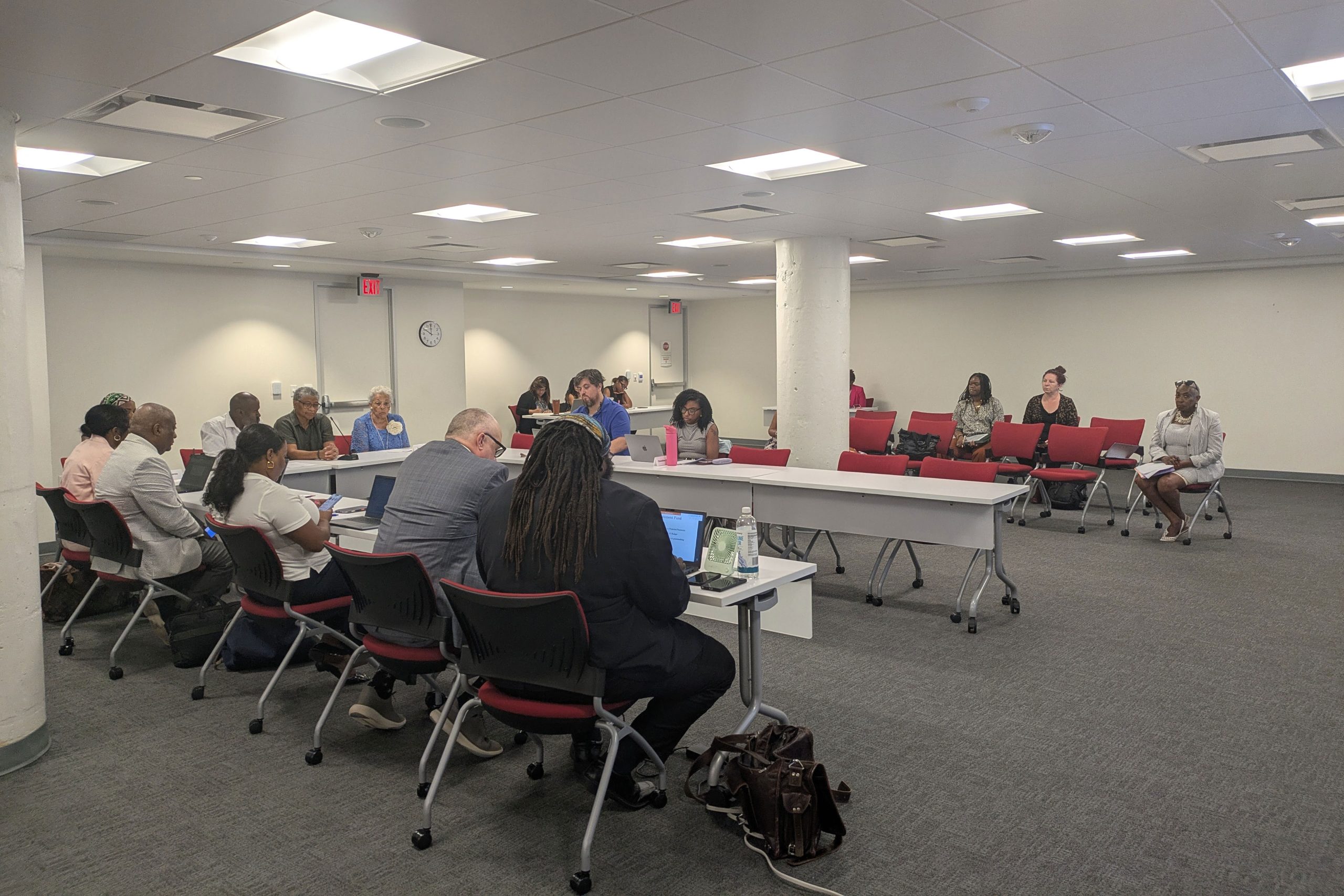
Chad Jackson, himself in recovery, chairs the district’s Opioid Abatement Advisory Commission, which was created to advise the city on how to spend its settlement dollars. Jackson called the latest move supplantation, a budgeting tactic that shifts money from one fund to another to free up dollars
“If the opioid settlement funds were not there, I feel pretty confident that these things would have been funded, because they have to be funded,” Jackson said
What’s happening now is against the district’s opioid litigation law, he said
The law says that money from the district’s opioid abatement fund “shall supplement, and not supplant.”
“It’s a pretty tightly written law where the intent is very clear: Do not supplant,” Weizman said
Adesuyi, an advocate for programs that help people who use drugs, said the council is flouting that law and that it’s a “slap in the face.”
Councilmember Henderson and Attorney General Schwalb weighed in too
“We are also concerned that DBH may be using the settlement monies for other unauthorized purposes,” they wrote in a July 17 letter to the department. They highlighted the $2.3 million used to cover the city’s Medicaid contribution and asked the department to explain by July 31 how it determined that was legal
It’s unclear whether the Department of Behavioral Health met that deadline. DBH, Henderson’s office, and the attorney general’s office did not respond to that specific question
However, DBH spokesperson Denise Reed said in a statement that the department is “committed to compliance with all statutory requirements governing opioid settlement funds.” The department’s general position has been that its budget was approved by the council, and that the funding supports efforts that counter opioid addiction
The council in June “passed a legally-certified budget for the next fiscal year that makes the best use of all local re17 community-based providers who last year served nearly 9,800 residents including 3,500 in medication-assisted treatment for opioid addiction,” Reed told KFF Health News
The district’s budget is pending a 30-day “congressional review,” which is the last step in its annual budgeting process
Still, some residents like Adesuyi want more accountability for how the opioid money is spent
“The drug supply is getting a lot more unpredictable, which calls for some nimbleness, and it calls for interventions that are more courageous. Unfortunately, DBH is not meeting the mark when it comes to that,” Adesuyi said, adding, “It’s frustrating, it’s disappointing, and it’s enraging because people are dying unnecessarily in the district to overdose.”
