


<img src="https://lumeamara.online/wp-content/uploads/2026/09/kristina-baghdasaryan-president-of-kanani-ngo-e1788859453600-4cbc20f5.jpg" alt="‘You are not a bad mother’: transforming women’s mental health care during pregnancy and after childbirth in Armenia”>
September 8, 2026
The arrival of a baby is often seen as one of life’s most joyful moments. Yet behind the expectation of happy motherhood, some women experience anxiety, depression, fear or emotional distress – feelings that can remain hidden behind the pressure to be “a good mother”. In Armenia, a woman’s mental health during the perinatal period is still too often overshadowed by the focus on physical health. This gap was spotted by the Kanani Social-Prsychological Centre NGO, which used EU support to make mental wellbeing part of maternity care across Armenia.
During the final months of her second pregnancy Lilit (28) was full of fears. Her first childbirth had been difficult, and as the next delivery approached, memories of that experience returned. “I was often compared to other women, held up as examples, which only made me feel even more misunderstood,” she says.
Many young mothers in Armenia share Lilit’s feelings. Difficult childbirth, cesarean section, postpartum depression and experiences of obstetric violence are just some of many unspoken stories that can leave lasting psychological scars on women and their families
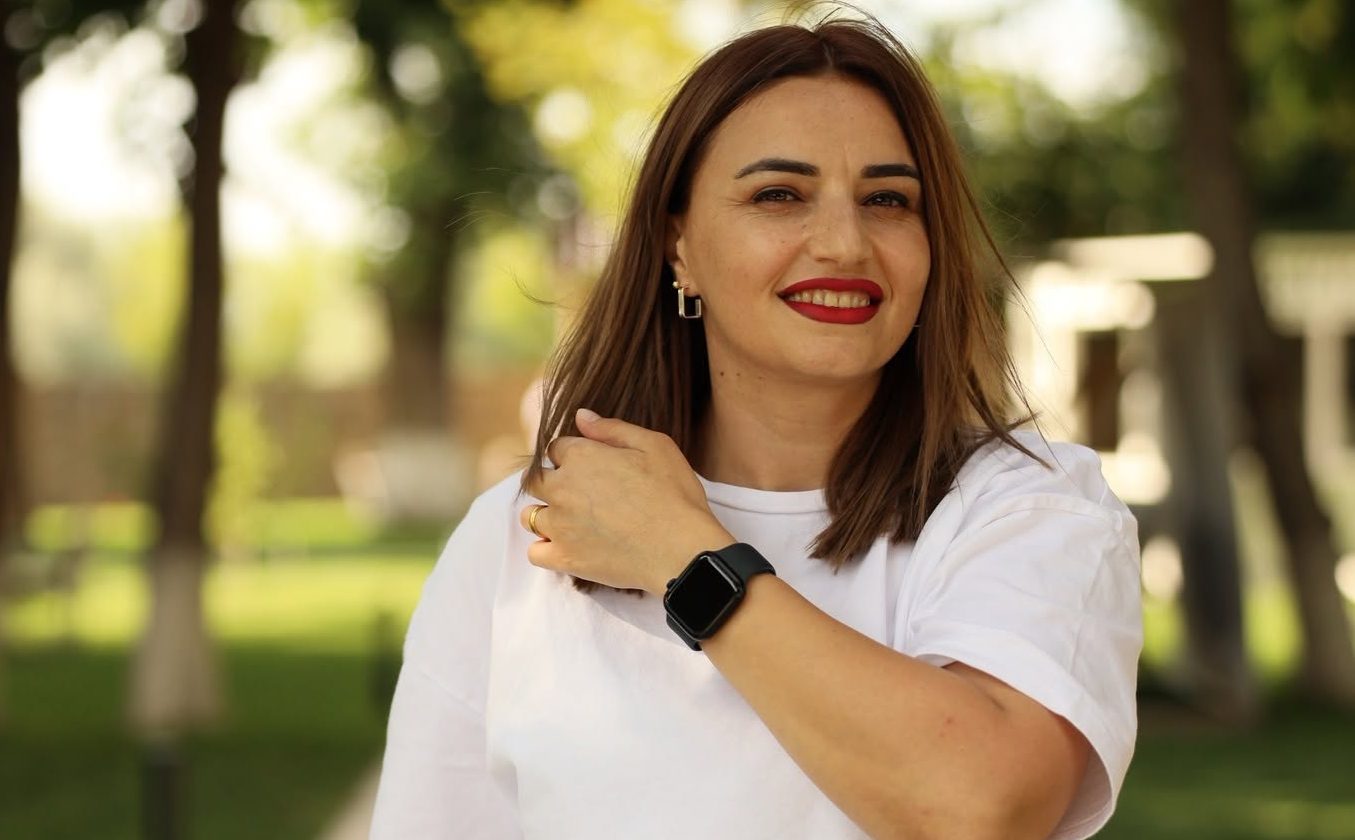
Kanani has been listening to such women for years, ever since it was established in 2019. “Perinatal mental health problems are quite common − they affect at least 10-15% of women worldwide, in some countries reaching 20-25%,” says Kristina Baghdasaryan, the NGO’s president. “Yet their true extent in Armenia remains difficult to assess, because systematic screening and data collection are largely absent.”
From women’s stories to nationwide research
Kanani’s work began with listening − to women, healthcare professionals and psychologists – gradually growing into nationwide research. The NGO surveyed around 400 women who had received pregnancy, maternity or postpartum care between 2022 and 2025, held five focus groups involving women with different backgrounds, and consulted health policymakers, doctors, psychologists, social workers, maternity specialists and representatives of healthcare institutions. The findings revealed just how deep the gap runs: almost 80% of women said that they had never been asked about their mental health, fears or depressive feelings in the polyclinic or maternity hospital during their perinatal period. Psychosocial services were even less accessible in the regions, while stigma often left women isolated or seeking advice from non-professional sources.

With EU support through the Helsinki Citizens Assembly Vanadzor Office and Democracy Development Foundation, Kanani turned these findings into a more systematic response. One question became central: what if the first person to recognise a mother’s distress was already sitting in the consultation room?
Giving doctors the tools to spot what can be missed
Kanani’s response was to work with the professionals already assisting women during pregnancy and after childbirth. The research findings were translated into practical Guidelines for the Detection and Referral of Postpartum Depression, designed to help family doctors, primary-care physicians, obstetrician-gynaecologists and therapists to recognise warning signs, assess risks, talk to women about their mental health and refer them for further support.
Developed with inputs from the World Health Organisation’s Armenian office and subsequently approved by Armenia’s Ministry of Health, the guidelines include practical assessment tools such as the Edinburgh Postpartum Depression Scale and PHQ-9 questionnaire, alongside guidance on safe communication, active listening, confidentiality and referral. “We did not intend to turn doctors into psychologists,” explains Kristina Baghdasaryan. “We wanted to make them pay attention to women’s mental and emotional wellbeing beyond their physical health, recognising the first signs of difficulties.”
To make the guidelines easier to apply in daily practice, Kanani also developed practical workbooks. For Armine Khanamiryan, an obstetrician-gynaecologist at Margaryan Maternity Hospital in Yerevan, this practical focus is very valuable: “The guidelines are not only useful, but also necessary. It serves as a concise manual that covers the essential information about postpartum depression.”
But the guidelines alone were not enough to change what happened in the consultation room. Doctors needed to practise how to use their tools and approaches in real-life situations. Kanani therefore paired the guidelines with hands-on training for 260 healthcare professionals from all regions of Armenia, representing 17 medical centres and maternity hospitals. Through practical cases and exercises, participants learned to recognise postpartum depression, distinguish it from the “baby blues” and more severe conditions, identify risk factors, use the assessment tools, communicate without judgement and know when and where to refer a woman.
Doctors also brought their own experiences, such as the story of a mother with severe, undetected postpartum depression who, unable to cope with her newborn’s constant crying, reached a point where she attempted to throw herself and her baby from a balcony. This story reminds that early detection is not just a matter of a woman’s emotional wellbeing. “In severe and undetected cases, it can also concern the safety of the mother and her child,” stresses the NGO’s president.
Breaking the silence
Changing the healthcare system is only half the challenge; women also need to feel confident enough to say when something is not right. Kanani took this conversation beyond hospitals through articles, social media, information materials and a documentary featuring a woman speaking openly about her postpartum experience.

As women began recognising themselves in these stories, they started commenting, sending private messages and sharing experiences they had previously kept to themselves − from anxiety and guilt to emotional detachment and moments when they struggled even to hold or approach their babies. For women like Susanna, who had months of unexplained crying and rapidly shifting emotions, and Nvard whose decision to speak publicly encouraged others to come forward, the campaign helped give a name and a voice to experiences that had long remained hidden. Built around a simple but powerful message that postpartum depression is neither “a sign of weakness” nor a reflection of “being a bad mother”, the campaign reached over 50,000 people. And the silence around the issue began to break.
And when silence is broken, someone needs to be ready to listen. Such a person was there for Lilit. Her story ended well: her doctor recognised in time that she was experiencing prenatal stress, carried out a psychological assessment and referred her to a psychologist − a turning point in her recovery. “I felt valued, heard and more at ease emotionally,” she recalls. “Today, I feel much calmer and I enjoy motherhood.”
Lilit’s experience puts a human face on the change that Kanani is working to bring about: a woman does not have to suffer in silence, and a doctor does not have to wait for a crisis to act. By combining research, practical guidance, professional training and public awareness, this small Armenian NGO is making mental health a recognised part of maternity care, so that women can be heard earlier, understood better and supported sooner.
Authors:Volha Prokharava, Kristine Hovhannisyan
Armenia
Education, Health, Youth
EU4Armenia
MOST READ
SEE ALSO

September 8, 2026
Employment services that work: adapting to a changing job market with EU4Youth support

August 14, 2026
“HamBuyr”: How the forgotten tradition of “pishki” was revived in Ijevan

August 14, 2026
Cartoons, Education, and a New Creative Space: How Zarine Turned Her Idea into a Community Initiative

August 14, 2026
Carpets, Clay, and Children’s Smiles in Tsaghkunk: How Economist Aram Turned a Village Workshop into a Business
August 14, 2026
From Education to Production: The Social Entrepreneurship Project of Amberd School Students
See all
