


Act for Nutrition conference: Minister stresses need for communication, awareness to tackle malnutrition
Day 2 of the conference concludes; World Bank official calls for understanding WASH-related drivers of malnutrition.
PublishedSeptember 3, 2026UpdatedSeptember 3, 202604:57pm
A two-day international conference, ‘Act For Nutrition: The Emergency We Can No Longer Ignore’, held at Islamabad’s Serena Hotel, concluded on Thursday, with experts calling for food and nutritional security to be recognised as fundamental rights
The conference aimed to address Pakistan’s persistent nutrition and stunting crisis
On the first day, experts at the conference warned that more than four in 10 children under five were stunted and malnutrition was costing Pakistan close to $17 billion annually
They also said that malnutrition was produced by a combination of poor diets, inadequate healthcare, weak water and sanitation services, poverty and other factors, making a multisectoral response essential
The two-day conference brought together policymakers, international development leaders, health professionals and nutrition experts to confront the burgeoning crisis and build momentum for urgent, coordinated action
View the full agenda here
4:55pm – Conference concludes
4:40pm – Malnutrition ‘greatest barrier’ to development: WHO official
Representative of the World Health Organisation (WHO) in Pakistan Dr Dapeng Luo, in his closing remarks, stressed that malnutrition remained the “greatest barrier” to health, development, and opportunities
He noted that nutrition was “much more than access to food” and further stated that “predictable and solid regulation” was needed as a way forward
4:30pm – BNP showed nutrition can be integrated into social protection, says WFP official
WFP’s Country Director for Pakistan Anita Hirsch also noted the progress of the Benazir Nashonuma Programme (BNP), which she said had shown that nutrition can be integrated into national social protection
“As we look ahead, one priority is to sustain those gains, continue to scale up and integrate services for millions of Pakistani women and children,” Hirsch said
4:22pm – WFP official shares her key takeaways
World Food Programme’s Country Director for Pakistan Anita Hirsch shared her key takeaways from the two-day conference
“Pakistan continues to face a high level of malnutrition. More than 40pc of children under five are stunted. This means children whose growth and cognitive development are compromised,” Hirsch said
She continued: “Second takeaway was that timing matters; the first 1,000 days represent a critical window that will have lifelong implications for the potential for children and potential for Pakistan, and that adolescence also matters.”
Hirsch also noted the economic cost of malnutrition, remarking that it remained a barrier to national growth and prosperity. “17bn dollars are lost every year to malnutrition and stunting,” she said
“My last takeaway was that addressing malnutrition is not just about food alone; it is about health, education, women’s empowerment, behaviour change
“It takes a village; it is our collective responsibility, and it is also a national emergency and one that we must collectively address.”
4:15pm- Expert calls on govt to recognise food and nutritional security as a fundamental right
Chairperson SUN Movement Dr Irshad Danish also recommended that the government should recognise food and nutritional security as a fundamental right in the Constitution
“There are some provisions, but nutrition and food security are not fundamental rights,” he said
He also recommended that nutrition should be institutionalised as a sector and stressed the need for multisectoral coordination
4:10pm – Pakistan’s nutritional burden must be treated as a national emergency, says expert
Dr Irshad Danish, who is the chairperson of the Scaling Up Nutrition movement, summarising the two-day conference, said that in the discussions held, it was recognised that “scale and severity of Pakistan’s malnutrition burden must be treated as a national emergency and put forward some recommendations”
Outlining one of the recommendations made, Dr Danish said, “First, we propose and recommend that the government should appoint dedicated nutrition coordinators and focal persons at national and international level”
4:07pm – Closing session titled ‘Stronger Together — The Pakistan Nutrition Pact’ begins
The final session of the day has begun
3:45pm – Addressing malnutrition collective responsibility: Sarwat Gillani
Actress Sarwat Gillani said that addressing malnutrition was a collective responsibility
“It should be portrayed as everyone’s responsibility because only then can it be resolved because it is in every province,” Gillani said
“So we have to work on this problem collectively,” she added
3:40pm – Sarwat Gillani stresses use of ‘intelligent marketing’
Actress Sarwat Gilani emphasised the use of “intelligent marketing” in addressing societal issues, including malnutrition
“Intelligent marketing is the answer to so many of our problems. In this day and age where everything is on a credit card or a mobile phone [..] if we have all the right creative minds along with experts, we can all sit down and come up with a strategic marketing campaign,” she said
3:30pm – Film mogul highlights importance of radio, PTV in reaching the masses
Satish Anand, the chairman of EverReady Pictures, highlighted the importance of radio and PTV for reaching the masses
He said that radio was widely listened to by people living in rural areas. He added that PTV could also be effectively used to communicate social issues
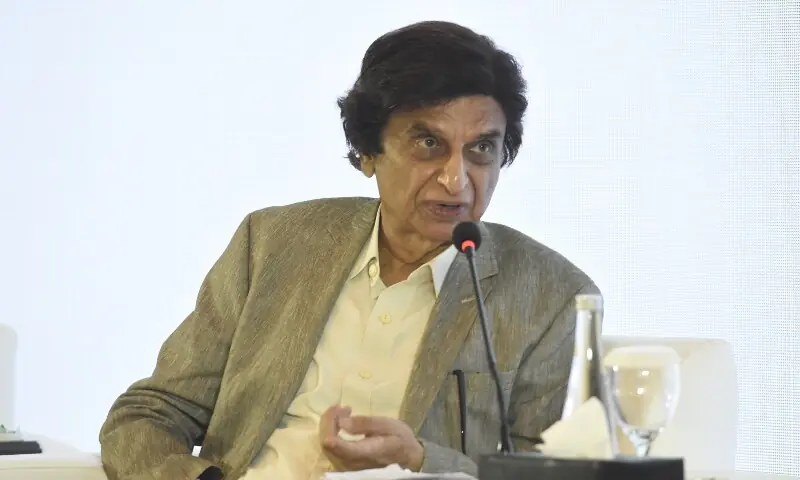
3:20pm – Sarwat Gilani says malnutrition caused by host of factors
Actress Sarwat Gilani, who is also an ambassador for Special Olympics Pakistan and the Indus Hospital and Health Network, said that there had been a lot of “repetition” during the conference as people cited data and statistics
“If this repetition, can be disseminated on an every day level, it would have a more lasting result,” she said. She said that malnutrition was not a “disease” and was caused by a host of factors
She also called for focusing on the solution rather than the problem
3:17pm – Journalist notes lack of focus on nutrition in media
Journalist Zarrar Khuhro termed malnutrition a “silent crisis” and went on to say that there was limited conversation about the issue in the media
“You will see a press release perhaps [..] but that does not cause a conversation at the household level and [..] if you can’t do that, then you have no hope of societal change”
“That is what we need, not just top-down change but critical mass at the family level, personal individual level, identifying this issue and seeking solutions and creating what we call a public buy-in,” he said
3:12pm – Panel discussion on communicating for change begins
A panel discussion on communicating for societal change has now begun
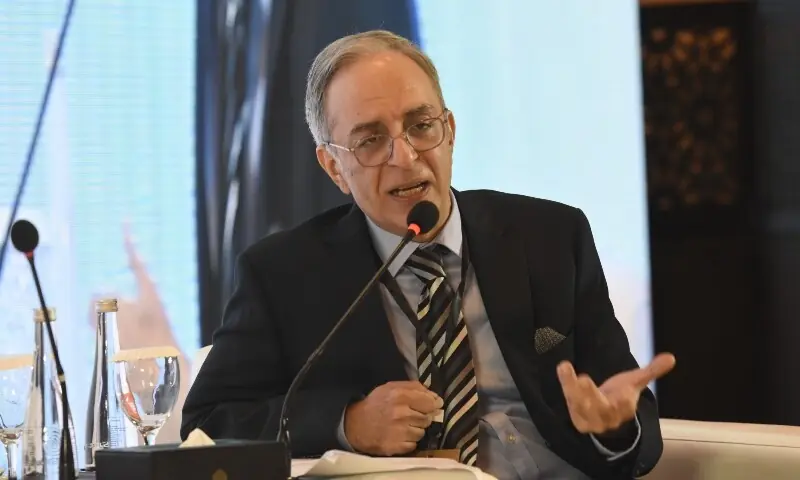
3:10pm – Official says 1 in 4 children in Punjab suffering from stunted growth
Dr Usman Ali Khan, the programme director of the Punjab Family Planning Programme, said that comparing the surveys from 2018 and 2024 showed progress
However, despite this improvement, there were 5.5m malnourished children in the province, he said. He said that one in four children in the province suffered from stunted growth
He said that the province was actively screening women and children that could be suffering from malnutrition and stunting
3:05pm – Nutritional financing a provincial budgetary question, says Punjab govt official
Punjab government’s special secretary, Aurangzaib Haider Khan, presented three priorities to the forum
“First, a common nutritional indicator so that provincial data can be compared, rather than merely collected,” Khan said
Secondly, he called for an “honest recognition of the fiscal architecture [under] the 18th Amendment” and added that nutritional financing was predominantly a provincial budgetary question
Third, Khan said was that “birth spacing also belongs inside the nutritional agenda, rather than besides it”

2:57pm – Govt official says Punjab carries majority of nutritional burden
Punjab government’s special secretary, Aurangzaib Haider Khan, delivering his address, said that Punjab shouldered the majority of the country’s nutritional burden due to the size of its population
“Let me be direct on what has moved in this scenario: Stunting among children under five has fallen from 36pc in 2018 to 27pc now.”
However, the government official held that the progress made was insufficient, as “more than one in four children“ remain stunted, leading up to around 5.5m children across the province
2:52pm – Minister says fathers must recognise a child’s nutrition as their responsibility
Information Minister Attaullah Tarar said that public service messaging on nutrition must address the whole family, not just the mother
“Too often, we place the entire burden of a child’s nutrition on women, while decisions about food purchases, healthcare and women’s workloads may be taken by other members of the family. A mother cannot carry this responsibility alone,” he said
“Fathers must understand that nutrition is also their responsibility,” he said
2:50pm – Minister calls for improving public service messaging
Information Minister Attaullah Tarar highlighted the need for the right kind of messaging to tackle malnutrition. He said that communication could nutrition outcomes if it was done differently
“Public service messaging must move beyond telling people that malnutrition is a serious problem. Every message must give families practical steps they can take. Every message should have a result-oriented approach,” he said
He said that awareness programmes often focused on the problem rather than the solution
2:44pm – Info minister says malnutrition not simply a health issues
Information Minister Attaullah Tarar said that malnutrition was not simply a health issue
“It is a moral challenge, an economic imperative and a national emergency,” he said. The minister went on to say that malnutrition was shaped by maternal health, feeding practices, unsafe water, inadequate healthcare, climate vulnerabilities and unequal access to essential services
He further said that the Act for Nutrition conference should not be a one-off event, saying it should be an “action plan which we can implement throughout the year”
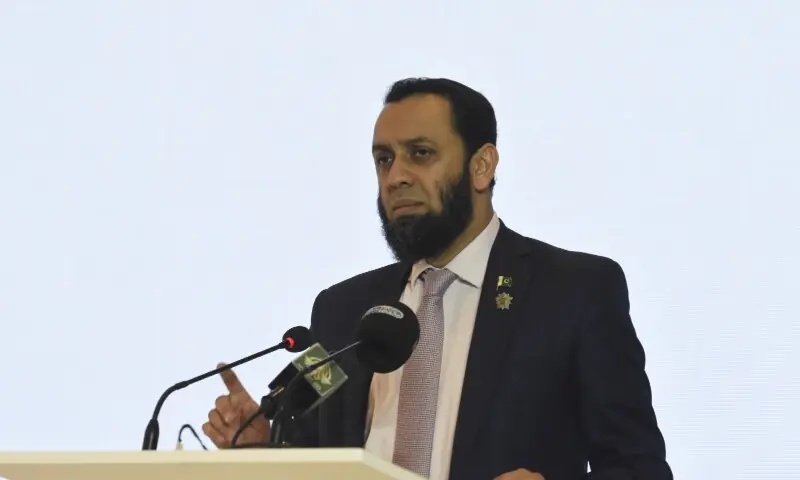
2:40pm – Info minister stresses need for communication, awareness to tackle malnutrition
Information Minister Attaullah Tarar, in his address, said that communication and awareness were essential for tackling malnutrition. He hailed DawnMedia group for raising awareness of the issue
He said that more than 40pc of children in Pakistan were stunted, while maternal mortality rate was 155 deaths per 100,000 live births
“Malnutrition costs Pakistan more than $17bn annually. If the right kind of strategy can be deployed across the country, the impact it would have on our gross domestic growth would benefit the common man,” he said
“Behind every stunted child is potential that may never be fully realised. Behind every malnourished mother is a family at greater risk. And behind every year of inaction is another generation beginning life at a disadvantage,” he said
2:00pm – Lunch break
1:40pm – UK expert stresses need for safely managed water and sanitation
Oliver Cumming, the environmental health lead at the London School of Hygiene and Tropical Medicine, said: “The prospect of safely managed water and sanitation in Pakistan is not something which can be achieved tomorrow, and it is not as simple as shifting gears that you go from basic to safely managed.”
However, he suggested that recognition towards the goal could lead to universal access to safely managed WASH services sooner rather than later
“We have to be realistic that it will not happen tomorrow, but putting in place the investment, the political arguments […] universal access to safely managed services can become possible within a decade,” he added
“This is where we need to get if we really want to solve the problem of chronic malnutrition.”
1:25pm – Expert says water quality a ‘big issue’ for Pakistan
Dr Saima Khan — a water, sanitation and hygiene policy specialist — called for targeting the 36 districts in the country contributing to stunting in children. She said that WASH infrastructure investments should be done in these districts
She also said that water quality was a “big issue” for Pakistan. She said that the country’s northern areas, Azad Jammu and Kashmir and Gilgit-Baltistan had no infrastructure for sanitation or sewerage. She said that this was deteriorating the quality of drinking water in these areas
1:05pm – WB official calls for understanding WASH-related drivers of malnutrition
Senior water specialist at the World Bank, Basharat Saeed, underscored the significance of gaining a “sophisticated understanding” of WASH-related drivers behind child malnutrition
“You need to look at what are the processes at a given location that are leading to the accumulation of faecal waste, accumulation in a way that it is exposing sensitive ecosystem and exposing people to faecal pathogens,” Saeed said
He added that it should also be made possible to track the common pathways for oral transmission for faecal material
“If you can map that out at the start of a programme design, then you know what sort of WASH investment is needed,” he said, stressing the need for a sophisticated understanding of WASH-related drivers of malnutrition
He added that as a result of adopting such an approach, the “proposed solution will also become slightly more comprehensive”
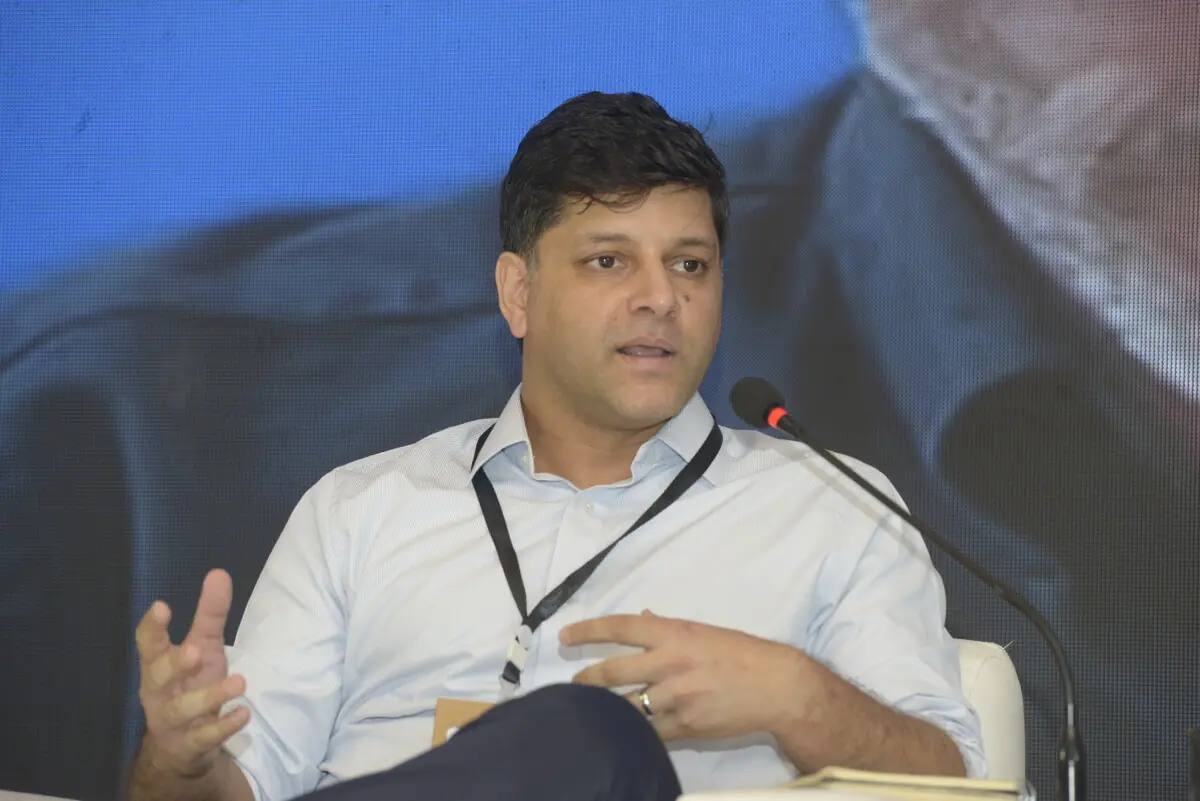
12:49pm – UK expert says water and sanitation alone cannot end stunting
Oliver Cumming, the environmental health lead at the London School of Hygiene and Tropical Medicine, said that water and sanitation alone cannot end stunting, but it was essential part of the comprehensive strategies needed to address it
He said that for the water and sanitation sector, nutrition was often peripheral, adding that this needed to change
He said that 20pc of children in South Asia were stunted at birth, highlighting the need for prevention and an integrated approach to the issue
12:45pm – WaterAid official calls for moving towards delivering multisectoral approach
Country director at WaterAid, Mian Muhammad Junaid, stressed that the conversation on a multisectoral approach needed to move beyond talking and towards financing and delivering results
“We are working in silos; we still tend to organise ourselves in sectors, where nutrition sits in one policy sector, health in another, water and sanitation somewhere else, climate separately, social protection is another,” Junaid said
He went on to note that a child did not experience these boundaries; rather, it was a lived reality for them
“This is where I think Pakistan needs to move from talking about a multisectoral approach to actually financing and delivering one,” he added
12:41pm – WaterAid official says child’s environment important for addressing malnutrition
In his keynote speech, Mian Muhammad Junaid, the country director for WaterAid, raised alarm at the impact of lack of water, sanitation and hygiene (WASH) services on a child’s development and nutrition
“A child cannot be well nourished if the environment in which the child grows is making them sick,” he said. He said WASH services were often an “important but missed” aspect of addressing malnutrition
“WASH is a part of nutrition,“ Junaid said
“A child may receive the right food, nutritional counselling, cash transfer and access to health facilities, but if the child is repeatedly exposed to contaminated drinking water, faecal contamination, poor sanitation and an unhealthy environment, we are asking that child to grow and develop against very difficult odds,” he said

12:40pm – Panel discussion on contribution of dirty water, poor sanitation to stunting begins
A panel discussion on how dirty water and poor sanitation contribute to stunting has now begun
12:38pm – BISP official says policies, legislation remain ‘only on paper’
Tehmina Gulzar, the deputy director of nutrition at the Benazir Income Support Programme, said that hygiene, agricultural, sanitation sectors had to come together to respond to malnutrition
She said that BISP had trained doctors, paramedical staff and teachers on adolescent nutrition to bring knowledge to communities
She also said that while policies and legislation were drafted, they were “only on paper”
“We need to bring them into practice. All sectors are working on [nutrition], but they are fragmented efforts,” she said, highlighting the need for the digital integration of all sectors
12:31pm – Expert says malnutrition not ‘poverty-related’
Dr Farhana Memon, the programme director of Reproductive, Maternal, Neonatal and Child Health, dispelled the perception that malnutrition was tied to poverty
“It is said that malnutrition is just poverty-related; I don’t think so. I have been in the field for 27 years, and whenever I ask a woman what she has eaten for breakfast, she will tell me she had tea and rusk,” Dr Memon said
“We have failed to convince her that she can get an egg for the same cost,” she said
“Let’s take an example of two issues in public health — breastfeeding and micronutrient deficiencies — these are not poverty-related; it’s knowledge-related,” she said
12:15pm – BISP official says social protection programmes can play ‘significant role’ in improving nutrition outcomes
Tehmina Gulzar, the deputy director of nutrition at the Benazir Income Support Programme, said that social protection programmes can play a “significant role” in improving nutrition outcomes
She added that BISP was a very good example of how social protection programmes could contribute toward human capital development
She also said that BISP had a huge collection of data that could be used by different sectors involved in addressing nutrition
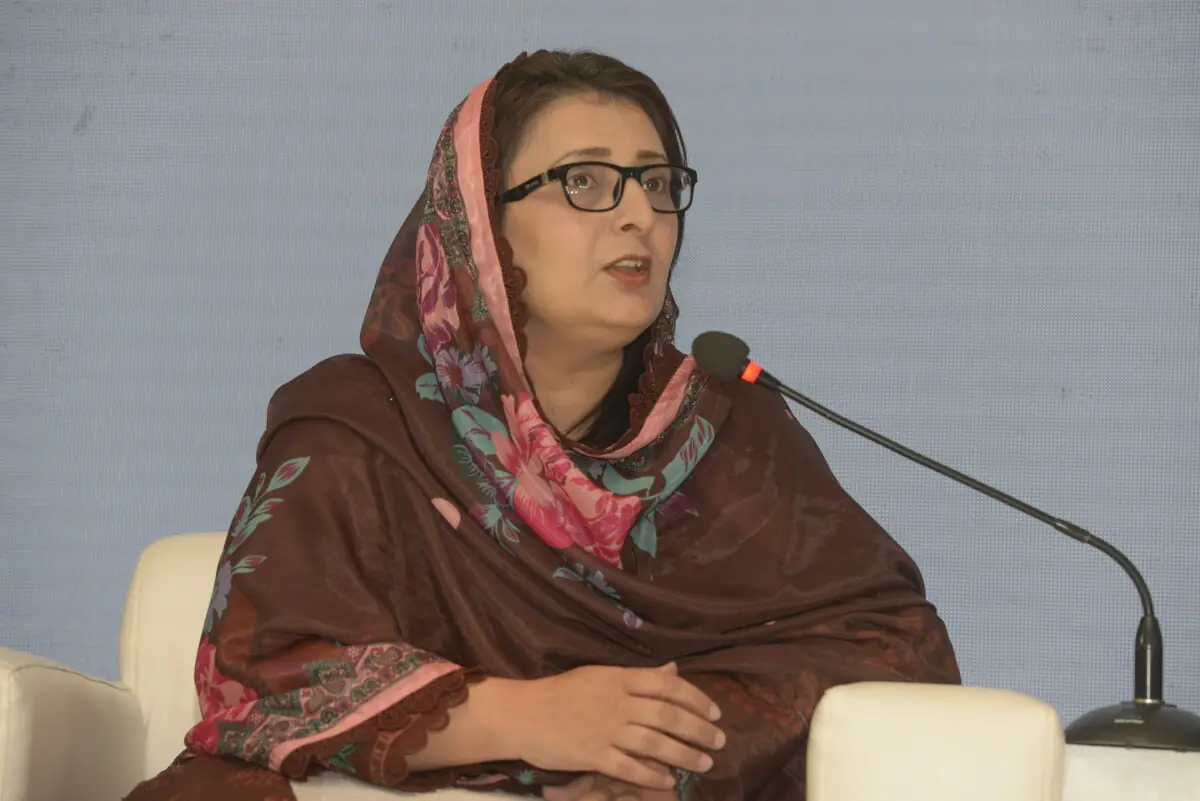
12:01pm – Expert says nutrition cannot be viewed in isolation
CEO of the Pakistan Alliance on Early Childhood Development Khadija Khan warned against viewing nutrition in isolation
“Because for holistic development, you need a complete package and that package is described in the nurturing care framework, which is talking about good health, adequate nutrition, responsive caregiving, safety, security and early learning opportunity.”
She held that until and unless these inputs were met, it was not possible to achieve holistic child development
“We do talk about a multisectoral approach and an integrated approach, but still the families are knocking on different doors for different services. In reality, we do not really give integrated services to our children,” Khan added
11:49am – Non-profit head says people do not ‘believe in the system’
Shahid Lone, the chairman of the Allah Walay Foundation, said that if policymakers and those responsible for implementation did not put their “soul” into what they were doing, then what they were aiming for “would never work”
He acknowledged that his take was more “philosophical”. He highlighted that government officials say one thing on stage and another when they are behind the scenes
“We have policies, we have departments, but we have people who do not believe in the system,” he said. He questioned how those who did not have vision or believed in their work could implement policies

11:37am – ‘Behaviour of healthcare providers pathetic’
Dr Farhana Memon, the programme director of Reproductive, Maternal, Neonatal and Child Health, also criticised the behaviour of healthcare workers
“The behaviour of healthcare providers is pathetic,” Dr Memon said, noting that most healthcare workers did not counsel patients on family planning, nutrition, or vaccination
“We have been trying to change the behaviour of the community for the past decade, but now it is time to change the behaviour of healthcare providers.”
“If a person or a woman comes into contact with you, please don’t waste the opportunity,” she urged
11:34am – Expert decries lack of dedicated funding for nutrition
Programme director of Reproductive, Maternal, Neonatal, and Child Health Dr Farhana Memon decried the lack of funds to address malnutrition
“If you want to [translate] policies into action, you should have some cost,” she said, adding that donors largely funded efforts to end malnutrition
“This is not the solution,” Memon remarked, adding that nutrition should be treated as a separate entity
She further urged that the government must utilise every access point as an opportunity to counsel families about nutrition
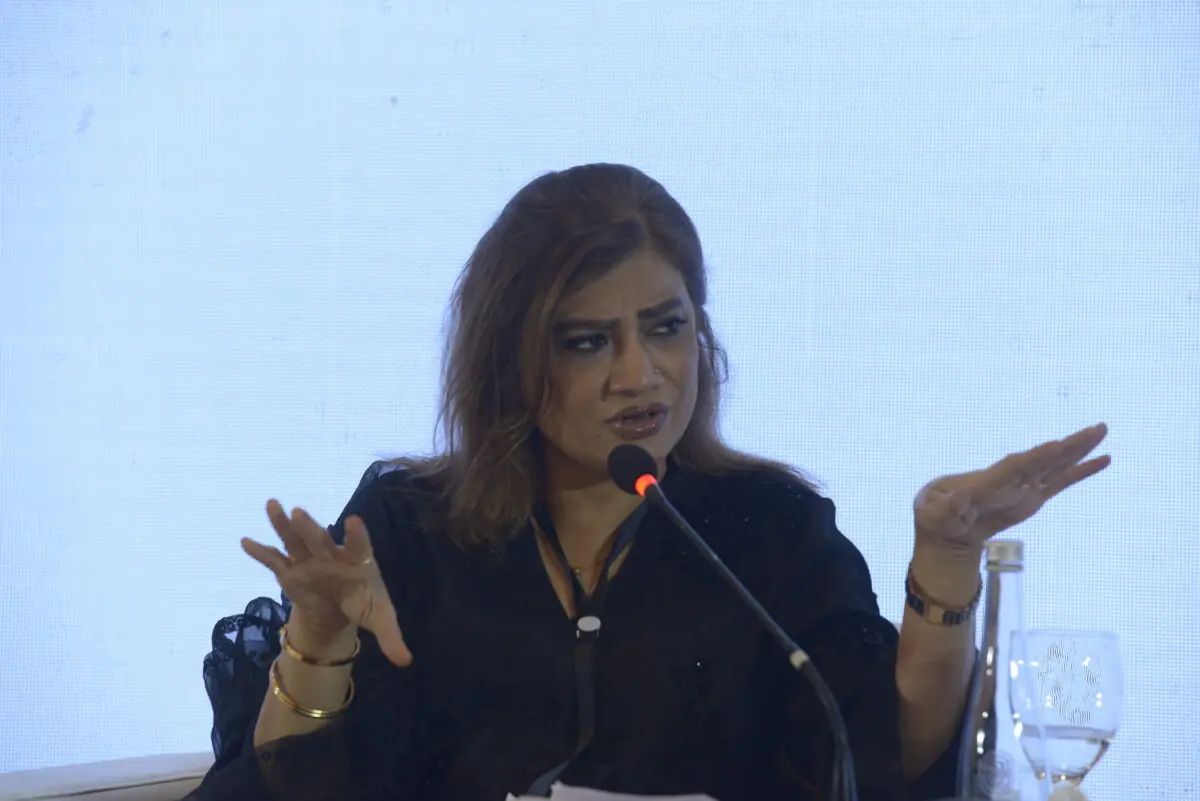
11:25am – Session on multisectoral approach to nutrition begins
A session on the multisectoral approach to nutrition has now begun
11:20am – KP CM says govt working on addressing malnutrition
Khyber Pakhtunkhwa Chief Minister Sohail Afridi, in a video message, said that facilitation centres were being established to address malnutrition among pregnant women and young children
He said that the provincial government, under PTI founder Imran Khan’s vision, was working on this issue and others
He ended by thanking DawnMedia for highlighting malnutrition and other social issues
11:10am – Govt official calls for cohesive national narrative on malnutrition
Dr Shabana Haider, member (population) in the Planning Commission of Pakistan, stressed the need for a cohesive national narrative in addressing malnutrition
“Do not go switching your national narrative; sometimes it is said that two kids are enough, sometimes it is one, and sometimes you ask women to time their pregnancies. Please develop a narrative that you can lead on and that everybody — from development partners to private sector — can converge on,” she said
11:00am – Govt official says nutritional challenges cannot be addressed without acknowledging population dynamics
Dr Shabana Haider, member (population) in the Planning Commission of Pakistan, said that nutritional challenges could not be addressed without acknowledging population dynamics and demographic dividends could not be reaped without investing in nutrition
She said that while Pakistan had done a lot on the policy side, the documents themselves were not enough
“We are very good at framing policies … sorry, excuse me, this has to change … let’s all recognise that our priority has not been population,” she said, adding that population had been neglected as a subject
10:50am – KP govt official says malnutrition, family planning interlinked
Dr Fazal Majeed, the director of nutrition at the Directorate General Health Services for Khyber Pakhtunkhwa, said that Pakistan had a stunting growth rate of 40pc, adding that it was 48pc in KP’s merged districts
He also said that almost 40pc of women of reproductive age were also anaemic, calling the figures “alarming”
“Malnutrition, family planning … are interlinked,” he said. He said some of the barriers in KP were fragmented delivery points, geographical and security-related
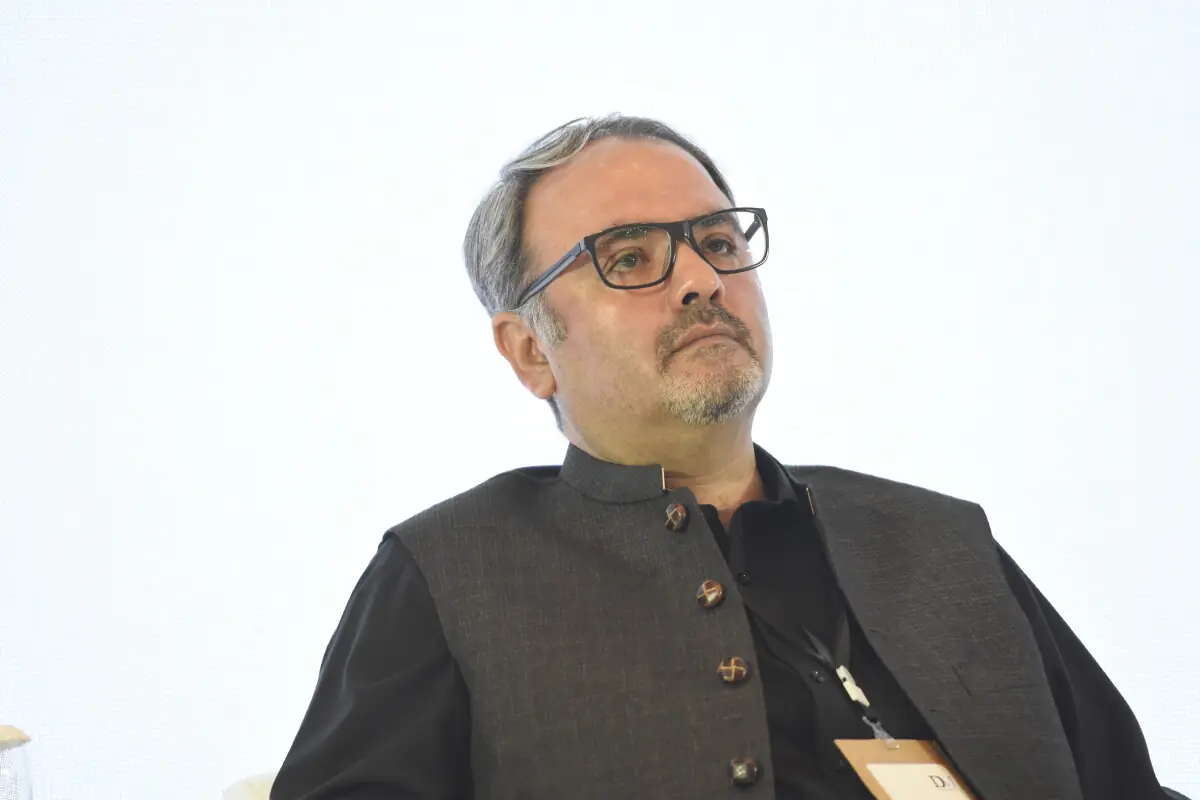
10:35am – Public health professional says history of Pakistan’s health programmes ‘one of isolation’
Dr Talib Lashari, a public health professional with the Sindh government’s health department, said that the nexus between nutrition and family planning was “well established but poorly practised in Pakistan”
“The history of Pakistan’s public health programmes and initiatives is one of isolation. All the programmes have been well-designed and, to some extent, properly funded, but they were implemented in isolation,” he said
10:24am – Govt adviser says nutrition needs to be reclassified as a capital expenditure
Adnan Pasha Siddiqui, the adviser to the minister of finance, said that nutrition needed to be reclassified as a capital expenditure rather than as an expense
“So this single accounting decision suppresses the investment narrative permanently … these are fundamental flaws we need to correct,” he said
10:17am – Govt adviser says lack of investment in nutrition hurts Pakistan’s GDP
Adnan Pasha Siddiqui, the adviser to the minister of finance, said that burgeoning population and lack of re
“We are reflecting everything nutrition-related as a health expenditure … every rupee that is withheld from a pregnant women’s diet is a deduction from the country’s gross domestic product in the future,” he said. He said that in the country, nutrition was divided across several sectors
Siddiqui said that the annual loss from malnutrition was $17bn. He said that in South Asia, labour productivity was suppressed because of nutrition
“And it is a structural liability to our sovereign credit profile,” he said
10:08am – World Bank official says nutrition is viewed through ‘a human capital lens’
Sara Shahzad, the senior health specialist from the World Bank, said that the group had 10-year country partnership framework with the government of Pakistan focused on six priority areas, one of which was stunting reduction
“So the way the World Bank looks at population stabilisation and nutrition, specifically the stunting agenda, is through a human capital lens,” she said
Talking about stunting, she said that 30-40pc of it occurred before a child was born
“So, the first 1,000 days are absolutely critical but also the adolescence period,” she said
9:58am – Expert highlights ‘experimentation’ in Pakistan’s population planning
Dr Ali Mir, the country director for the Population Council, said that there was always a tendency in Pakistan of “making the same mistakes again and again”. Talking about Pakistan’s previous population reforms, he highlighted wavering political commitment and policy inconsistency
“We never explicitly had a population policy till 2002. It was always couched in development planning,” he said
He said that due to this, Pakistan was constantly “experimenting”. Dr Mir said that now things were moving in the right direction, with the establishment of the Population Council
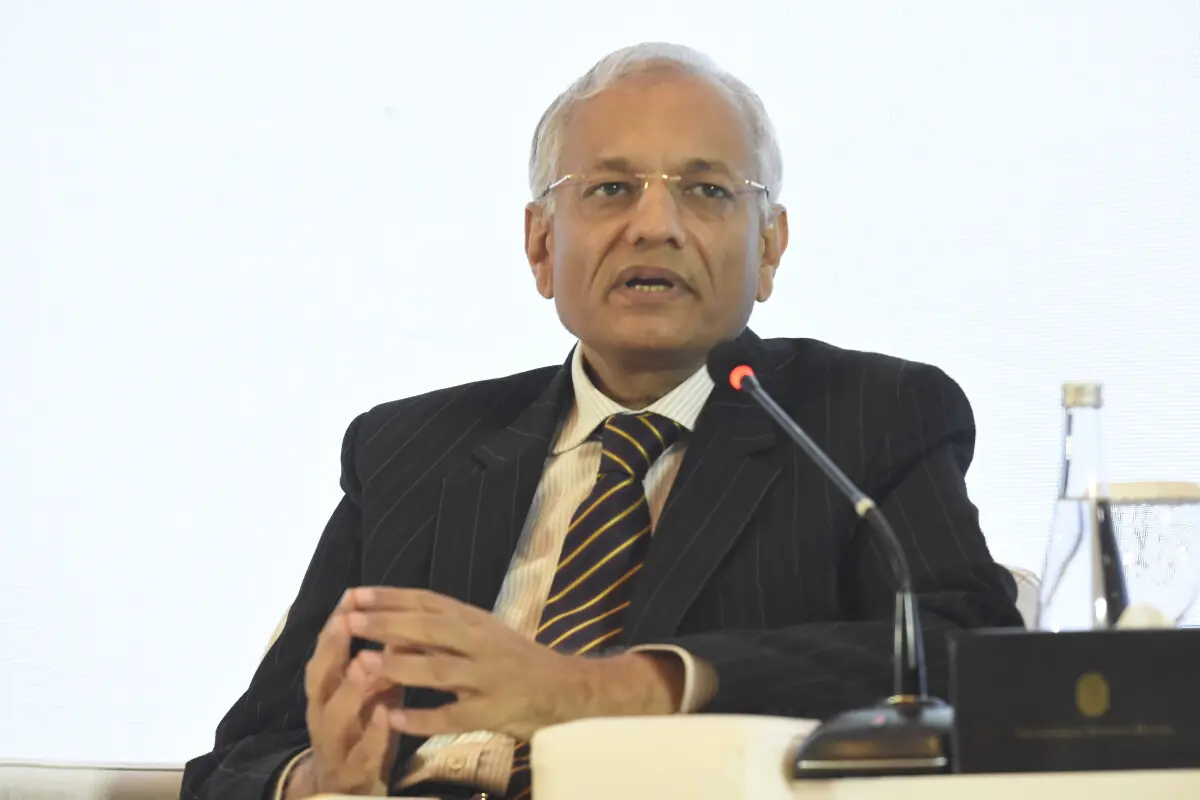
9:55am – Doctor says nutrition is ‘not an isolated event’
Dr Saima Hamid, the programme and research lead at the Population Council, said that Pakistan’s population growth rate is at 2.55pc. She said that in 28 years, the country’s population would double, putting a huge burden on re
“This clearly is a challenge of not just the quantity but also the quality of diet. We need to ensure that diverse nutrition reaches those most vulnerable,” she said
She also said that Pakistan’s domestic food security was on the decline, adding that “nutrition is not just an isolated event”
“One sector isn’t really responsible … there is a clear intersection of nutrition, food security, health, purchasing power,” she said
9:52am – Session on population and re
A session on how a nation cannot feed, educate or employ what it cannot count on sustaining has now begun
9:50am – 2nd day of conference begins
The second day of the conference begins with a short film titled Leaky Guts from the Aga Khan University

1 Comment
Pingback: New stroke rehab guidelines put early, whole-person recovery in focus - Healing families. Honouring love.