



Sep 02, 2026
In March 2024, Jessica Serdar awoke in the middle of the night with a feeling she couldn’t ignore. At 34 weeks pregnant, her baby had stopped moving.
Jessica and her husband, Adam, rushed to the hospital hoping everything would be OK. Instead, they received devastating news: their daughter, Ruth, no longer had a heartbeat
On the day their family planned a baby shower, Jessica and Adam found themselves in the midst of a funeral.
Like many parents, Jessica and Adam walked through a nursery for a child they didn’t get to bring home, carrying the physical and emotional realities of stillbirth
- U of U Health provides comprehensive, trauma-informed care through its Utah Pregnancy After Loss (UPAL) Program and Stillbirth Center of Excellence, setting a model for health systems across the U.S.
- UPAL combines specialized medical expertise, <a href="https://lumeamara.online/?p=6361" title="Wolverhampton Wanderers FC hosts free community mental health training”>mental health support, peer connection, and personalized pregnancy monitoring for families after miscarriage or stillbirth.
- After losing their first daughter to stillbirth, Jessica and Adam Serdar found hope through UPAL and welcomed a healthy baby into their lives.
“Most women are given at least six weeks of maternity leave,” says Bob Silver, MD, chair of the Department of Obstetrics & Gynecology at University of Utah Health. “But when a woman has a stillbirth, she’s expected to go right back to work.”
Stillbirth, defined as the loss of life after 20 weeks’ gestation, affects hundreds of Utah families every year. The mother still experiences labor, postpartum recovery, and often milk production—while grieving the loss of her child. That leaves many families wondering if it’s safe—or even possible—to try again.
Silver and his team at the Utah Pregnancy After Loss (UPAL) Program work to eliminate the odds of miscarriage and stillbirth
Home to the University of Utah Stillbirth Center of Excellence, the program brings together maternal-fetal medicine specialists, mental health providers, peer mentors, and individualized pregnancy care to help families move forward when they are ready. This support extends before, during, and after pregnancy—care that is uncommon in many health systems.
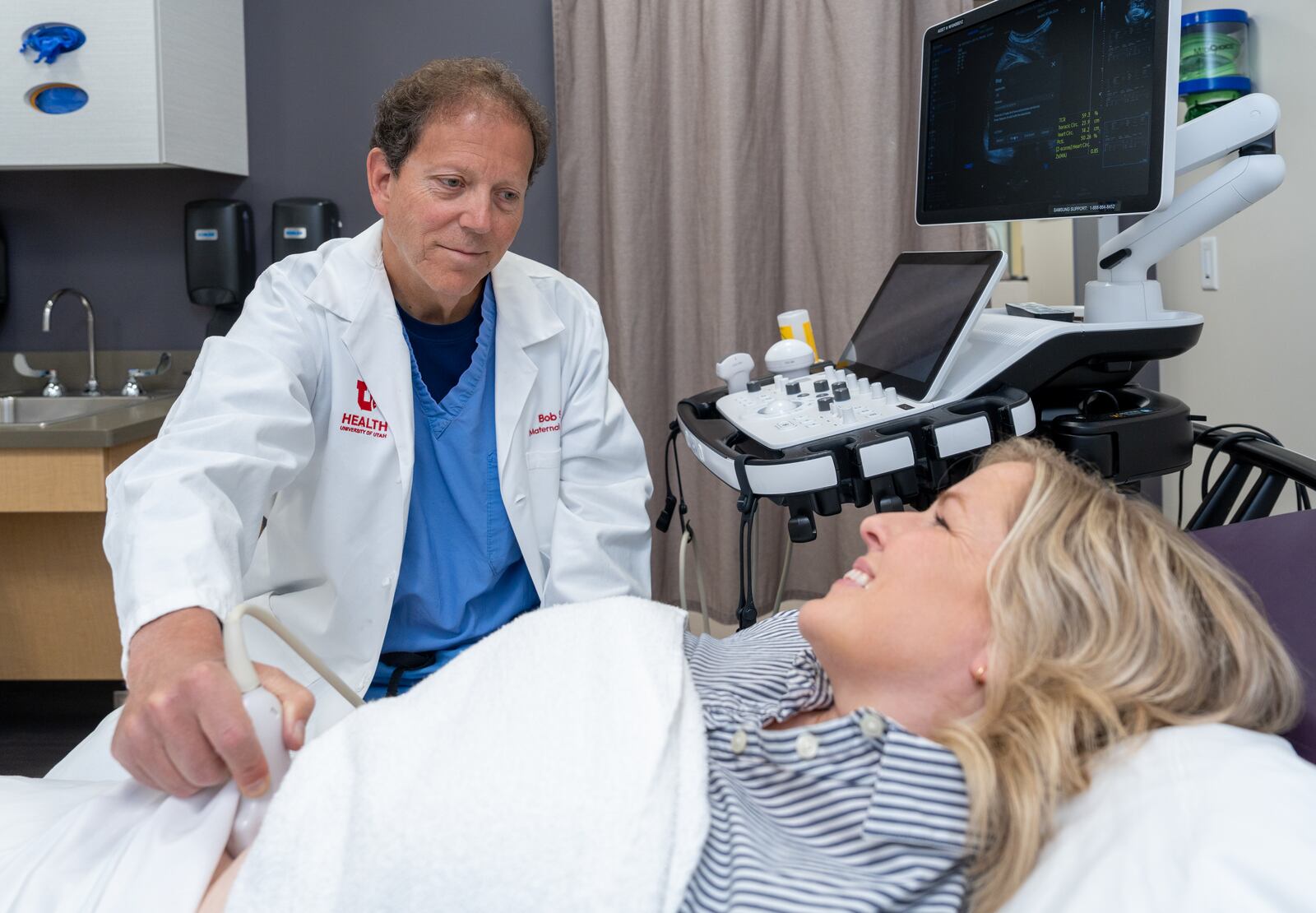
Dr. Silver and his team hope to lower the number of stillbirths and miscarriages by also introducing preventive measures that address both physical and mental health. The team at UPAL helps patients receive better access to care through frequency of in-person visits, telehealth appointments, and practitioner visits in rural hospitals and clinics.
A few weeks after Ruth’s funeral, Adam came across a news story featuring Silver. Soon after, they scheduled a consultation through the clinic.
After receiving Jessica’s medical history, Silver and his team determined the couple’s chance of experiencing another stillbirth was less than 1%.
“It became our mantra—99 out of 100,” Jessica says. “We can make this work. We can have a healthy baby who comes home from the hospital.”
For many pregnant patients, prenatal visits happen once a month during the early stages of pregnancy. Patients in UPAL often have a very different schedule. Silver encourages patients to make their own appointment schedule for frequent heartbeat monitoring, ultrasounds, and stress tests. Some patients at the clinic visit their providers as often as twice a week.
“I can’t stress the importance of choices enough,” Silver says. “How frequently a patient is seen, the timing of the delivery—the more choices families have, the better.”
That flexibility is part of the program’s trauma-informed approach. Specialized obstetric care can help identify risk factors, provide reassurance, and create personalized plans for pregnancy
In addition, patients have access to:
- Mental health professionals experienced in pregnancy loss
- Support for anxiety, depression, and post-traumatic stress
- Community volunteers who have experienced miscarriage or stillbirth themselves
- Care plans tailored to each family’s emotional and medical teams
For Jessica and Adam, compassionate care made all the difference.
“Dr. Silver is an angel,” Jessica says. “After my husband, he’s my second favorite man on planet Earth.”
“Maybe her first,” Adam jokes
Today, the Serdar family’s Eagle Mountain home is filled with the sounds of a healthy baby: coos, the shaking of bottles, and hushed lullabies
Their daughter, Margaret Hope Serdar—Margot for short—loves big cuddles. She is learning to smile and mastering tummy time.
The Serdar family home is also filled with reminders of Ruth, such as photos from her birth and a handmade shadowbox with clothes and flowers. Jessica says those memories help them honor Ruth while embracing the future.
“The grief doesn’t go away,” Jessica says. “There is no moving on, but there is moving forward.”

For parents who may have a similar story, Jessica and Adam encourage prospective parents to find providers who understand grief, work with a trusted therapist, and allow joy to return without guilt.
“You deserve the special treatment,” Adam says. “What you’ve been through is significant. You deserve that time and attention, because what you’ve been through makes you special.”
University of Utah Health launched UPAL in 2024 to address a critical gap in care for families after miscarriage and stillbirth. As a part of the Stillborn Center of Excellence, the program is built on five guiding principles: research, education, advocacy, mental health, and access.
Today, UPAL is recognized as a leader within the United States Pregnancy After Loss Support (USPAL) Network. Teams from U of U Health have held extensive training sessions to help other health systems across the state, the country, and the world as they consider launching similar programs
By sharing clinical expertise, research, and trauma-informed care models, University of Utah Health helps improve care for bereaved families beyond Utah.
When UPAL started, it was one of three similar clinics in the nation. Now, five more hospitals in the U.S. have started their own programs relying on the U’s model, mentorship, and expertise
For families navigating one of life’s most difficult experiences, the growing network offers something invaluable: Hope.

1 Comment
Pingback: Back-to-School Health Checklist: 6 Ways to Make the Most of Your Child's Health Benefits - Healing families. Honouring love.