


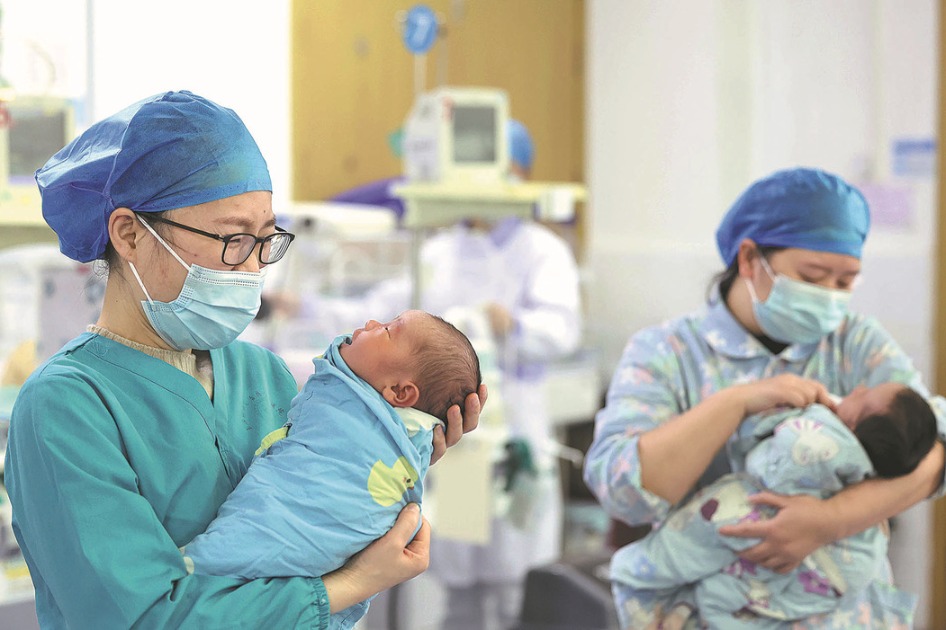
Nation to advance fertility-friendly push
China will maintain a relatively ample workforce and will press ahead with efforts to build a fertility-friendly society, Lei Haichao, minister of the National Health Commission, said on Monday
China’s total population has declined for four consecutive years, but the nation remains home to 1.405 billion people and will continue to be a major demographic power for years to come, Lei said at a news conference in Beijing held by the State Council Information Office
With more than 10 million students enrolling in colleges and universities each year amid a boom in the higher education sector, China is building an expanding and highly skilled workforce, Lei said
Official data shows that, by the end of 2025, China had about 851.36 million people ages 16 to 59, and that group had an average of 11.3 years of schooling, up 0.1 year from a year earlier
Lei added that the annual number of newborns has remained at about 8 million despite an overall downward trend
“Compared with other developed and developing countries, very few have births at this level, so China will still have a relatively ample labor force in the future,” he said
Lei noted that China will continue to roll out fertility-friendly measures to ease the burden of childbirth, child-rearing and education
Among the latest fertility support policies are the rollout of a fertility subsidy, which has so far benefited more than 30 million families, and the establishment of nearly 12,600 early pregnancy care clinics nationwide, providing counseling and assessments
He said that the nation will work harder over the next five years to integrate nursery and kindergarten care services and support communities and employers in setting up more convenient and affordable nursery care facilities
Under the national health plan released in July for the 15th Five-Year Plan (2026-30) period, one goal is to raise the nursery care enrollment rate by 6 percentage points for children age 3 and under, Lei said
It is also important to promote a positive view of marriage and fertility, he added
Guo Yanhong, vice-minister of the National Health Commission, said that the authorities will continue to improve early pregnancy care, as well as the prevention and treatment of birth defects and developmental problems
“We will also step up efforts to build fertility-friendly hospitals and improve conditions in obstetric, neonatal and pediatric wards. Each province will be supported in building at least one high-level maternal and child health institution to strengthen fertility support functions,” she said
Health authorities said that China has built the world’s largest medical service system. As part of efforts to provide life-cycle healthcare services, priorities in the coming years include improving pediatric care and early childhood development services, and building more child-friendly hospitals
Lei said that China aims this year to add 1,000 more community- and township-level healthcare centers offering pediatric care
By the end of 2026, more than 95 percent of such grassroots health facilities are expected to provide pediatric diagnosis and treatment, he added
Photo

Shanghai and Hamburg’s 40 years marked
Bumper harvest
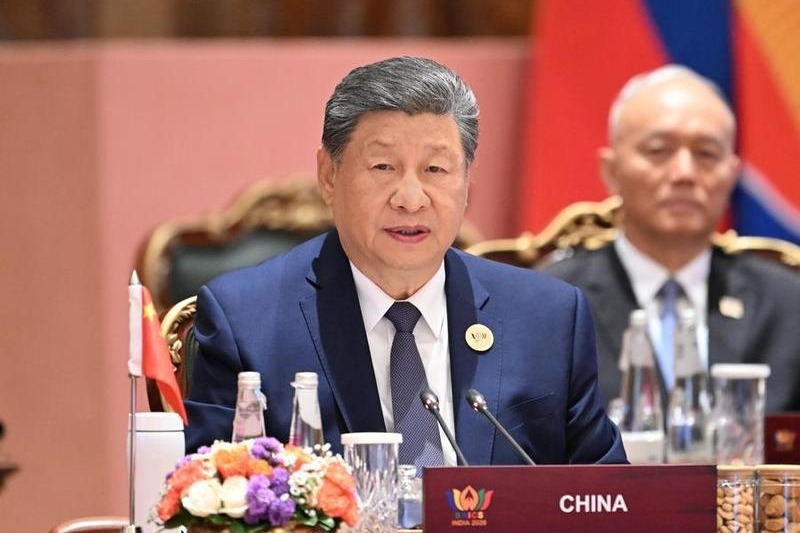
Xi calls on BRICS to unite Global South, deepen cooperation

Xi on ‘greater BRICS’ cooperation
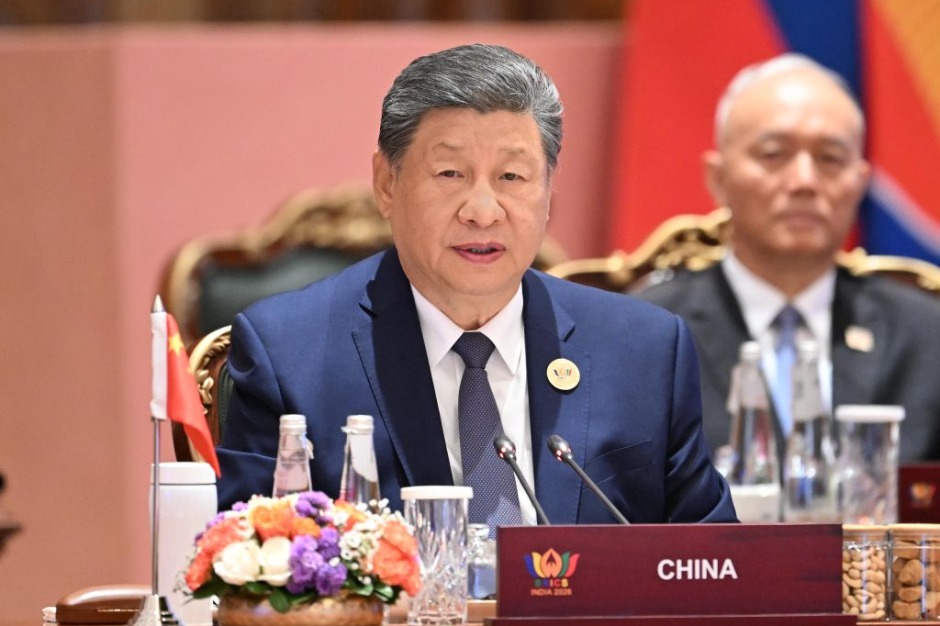
Xi attends second day of BRICS summit in New Delhi

Africa eyes initiative in disease control
Columnists

Western politicians need to stop fearmongering about Chinese goods
Fewer beggars, better lives: A story of China’s progress

End the conflicts for the sake of humanity
Editor’s Pick

What is behind Shein’s drop in valuation?

Airbus-China partnership drives aviation growth
Special

2025 ‘Charming Beijing’

GMD SCO Summit Cities Tianjin

Grow with SCO

Russia-Ukraine conflict: Three years on
